Home / Solar and Battery Backup for Gates Around Georgetown
Solar and Battery Backup for Gates Around Georgetown
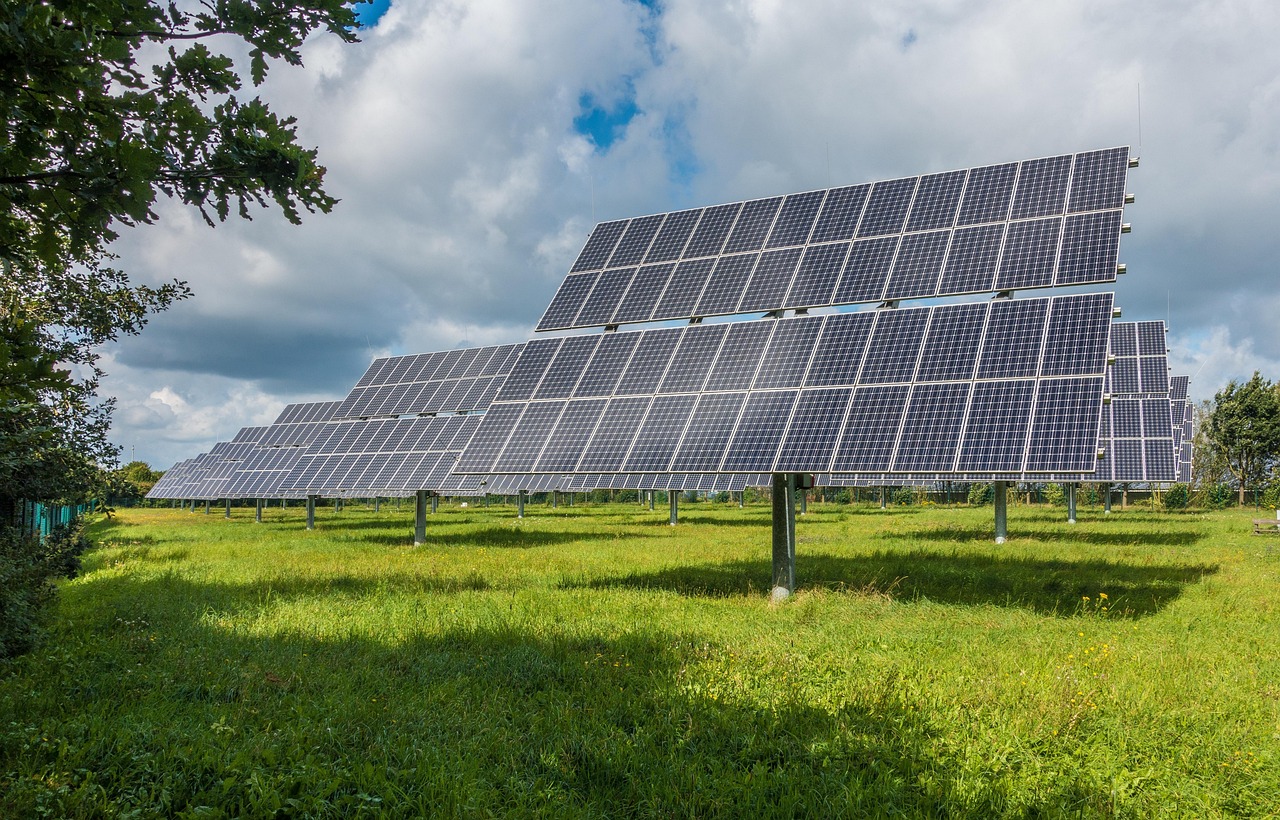
Solar power and battery backup both keep an automatic gate moving when the grid does not cooperate, and around Georgetown the case for each is easy to make. Long driveways on acreage outside town are expensive to trench, summer storms knock out power, and winter freezes strain the grid every few years. A gate that depends on a single wire from the house is a gate that can stop working on the worst possible day.
What a solar gate system actually contains
A solar powered operator is not one gadget. It is a small power plant made of a panel, a charge controller, one or more sealed batteries and the operator itself. The panel trickles energy into the batteries through the controller during daylight, and the batteries supply the motor and the control board whenever the gate moves. The batteries, not the panel, do the heavy lifting, since a motor draws far more current for a few seconds than a small panel can deliver at any moment.
That is why sizing starts with the batteries. They must carry the gate through a run of cloudy days and still have enough charge left to open it. Panels then need to be large enough to refill what the gate uses in a typical week, with some margin for dust and shade.
Reading the sun in Central Texas
Central Texas gets plenty of strong sun, which favors solar. The real trouble is not the sky but the site. A panel tucked under a live oak, behind a stone pier or on the north side of a wall produces a fraction of its rating. The best spot is usually on a pole or on the top of a post, tilted to face south, high enough to clear shrubs and the shadow of the gate itself.
Dust and pollen from spring cedar and oak season coat panels quickly, and a thin film lowers output noticeably. A seasonal wipe with a soft cloth and plain water is part of ownership. Hail is another local reality, so a panel with tempered glass and a sturdy frame is worth choosing over a cheap thin one.
Counting how much energy the gate uses
Energy use depends on how often the gate cycles, how heavy it is and how long the motor runs each trip. A light swing gate that opens ten times a day uses little. A heavy slide gate on a busy shared entry uses a great deal more. Accessories add up too: a keypad with a light, a loop detector, a camera or an intercom each draw a small current around the clock, and those standby loads can exceed the motor's use on a quiet driveway.
A sensible planning habit is to list every device on the gate, note its standby draw and its running draw, then estimate daily use from real habits. Owners who skip this step often discover in January that the batteries run flat after a week of low sun.
- Motor cycles per day, and how long each one takes.
- Standby draw from the control board, receivers and sensors.
- Lights, cameras, keypads or intercoms mounted at the gate.
- Number of dark or cloudy days the system must ride through.
Battery backup on a grid powered gate
A gate wired to the house does not need a panel to benefit from batteries. A grid powered operator with a battery pack switches over automatically when power drops. The batteries stay topped up from the transformer in normal times and serve as a bridge during an outage. Depending on size, a pack can carry a gate for dozens or even hundreds of cycles.
Without a backup, an outage leaves the gate in whatever position it was in. If it is closed, the household is locked in. If it is open, the property is unsecured. A manual release is the minimum, but batteries keep daily life normal and avoid wrestling a heavy gate by hand in a thunderstorm.
Battery care and lifespan
Sealed lead acid batteries are common and affordable, and they last roughly three to five years in ordinary conditions. Heat shortens that. Georgetown summers can push an enclosure well past the temperatures batteries like, so a shaded, ventilated box helps. Cold matters less here than heat, though a hard freeze lowers available capacity for a night or two.
Lithium packs tolerate more cycles and weigh less, but they need a charger that suits them and a controller with proper protections. Mixing battery types or replacing only one battery in a pair is a common mistake that shortens life for both.
Wiring, mounting and weather
Solar does not remove the need for good installation. Connections should be sealed against moisture, cable should be sized for the run, and fuses should sit close to the battery. Enclosures need drainage and screens against insects, since fire ants and wasps like warm electronics boxes. Grounding and surge protection matter on open ground where lightning is a real risk.
The panel mount should be rigid and tilted so rain rinses it. A loose mount that swings in a north wind will eventually crack a cable or a frame.
Choosing between solar, grid and a hybrid
Solar makes the most sense when the gate is far from power, when trenching would meet limestone or tree roots, or when the owner wants an entry that works regardless of the grid. Grid power with battery backup suits gates near a house with dependable service. A hybrid, with a small panel feeding a battery pack that also has a transformer, gives resilience from two directions and stays popular on larger properties around the county.
Whichever route is picked, the operator should be rated for low voltage use, should have an efficient standby mode and should offer an indicator of battery state so the owner can see trouble coming.
Common problems and how to spot them
- A gate that opens slowly in the morning and normally later in the day usually has weak batteries or a shaded panel.
- A gate that works for a few cycles then stops probably has a battery near the end of its life.
- Repeated resets of the control board can point to low voltage under load.
- Corrosion at battery terminals shows up as white or green crust and causes erratic behavior.
Maintenance that pays off
A quick check each season keeps the system honest. Wipe the panel, inspect the enclosure for insects and water, look at terminals for corrosion and watch how the gate behaves on a cloudy morning. Keep a note of when the batteries were installed, since replacing them on a schedule is cheaper than a failure during a storm. A system looked after this way will serve a Georgetown property reliably for many years.