Georgetown Metal Report is a local resource covering metal gates in Georgetown, TX. The guides below explain materials, typical costs, local considerations, and how the work is usually done.
The right gate opener for a Georgetown driveway depends on four things: how the gate moves, how much it weighs, how long it is and how often it cycles in a day. A light swing gate on a family driveway runs happily on a small arm operator. A long, heavy ranch style entry may need a slide operator or a heavy duty swing unit with a larger motor. Buying by price alone, or by whatever the first catalog shows, is how owners end up with a motor that overheats by July.
Start with how the gate moves
Swing gates pivot on hinges and need clear ground in the arc they sweep. Slide gates travel along the fence line and need a clear run beside the opening at least as long as the gate itself. On many Georgetown lots in the older parts of town, the driveway meets the street at a narrow throat with a slope behind it, and a swing gate that opens inward would climb the grade. In that case an outward swing, a slide or a gate that opens in two halves is worth a closer look.
Lots north and west of town tend to be larger, with long approaches and room beside the entry for a slide. Neighborhoods in the master planned areas often have shallow front yards, a sidewalk close to the property line and rules about how far a gate may sit from the street. Those limits shape the opener choice before any motor is shopped.
Weight and length decide the motor
Every operator is rated for a maximum gate weight and a maximum leaf length. The ratings are not suggestions. A leaf that is longer than the rated length puts much more strain on the arm and the hinge than weight alone suggests, because the leverage at the far end grows with every added foot. A solid steel panel catches wind like a sail and adds load that a picket gate does not.
A practical way to size a gate is to weigh or estimate the leaf, note the length and the amount of solid infill, then pick an operator with real headroom above those numbers. A motor running near its limit wears out early, struggles when a hinge stiffens and gives up the first time a gust pushes on the panel.
Wrought iron and steel frames are heavy and need robust operators.
Aluminum frames are lighter and suit smaller motors, though wind still matters.
Solid privacy infill raises wind load more than weight suggests.
Tall gates raise the arm's mounting point and change the geometry.
Duty cycle in plain terms
Duty cycle describes how many open and close trips an operator can make in an hour or a day without overheating. A single family driveway might see eight to twelve trips a day. A shared entry or a home business can see several times that many. Residential rated units tolerate moderate use. Units built for continuous duty cost more but handle heavy traffic and hot afternoons.
Central Texas summers are a reason to look hard at this rating. A motor that sits in direct sun in August is already warm before it moves. Owners who run a gate often should pick a higher duty rating and mount the control box in shade where possible.
Swing arm, articulated arm and underground
A linear arm operator pushes and pulls the gate with a telescoping rod. It is simple, widely used and easy to service. An articulated arm folds as it moves and suits situations where a pier or a wall blocks a straight rod. An underground operator hides the motor in a pit beside the hinge, which keeps the look of a fine gate clean, but the pit must drain well. In clay soil a pit that holds water can ruin a motor, so drainage is part of the choice, not an afterthought.
Each arm type has geometry rules. The mounting point on the post and on the gate decides how much force the arm needs at the start of the swing and how the gate travels at the end. Setting those points wrongly can bind the gate. A fabricator who builds the gate and plans the operator together will usually get the geometry right on the first try.
Slide operators
A slide operator drives a rack or a chain along the bottom or top of the gate. Rolling gates run on a track or hang from a cantilever frame that rides on carriages. Tracks collect leaves and grit, and a cantilever design avoids that but needs a long counterweight tail beyond the opening. Georgetown yards with live oaks and pecans drop a lot of debris, so a clean running design matters.
The ground under a slide gate needs to be level, or the gate will hunt up and down along its path. Rocky limestone near the surface in some parts of town makes trenching for a track slow, which is another reason some owners prefer a cantilever frame.
Power and what happens in an outage
Most operators run on low voltage fed by a transformer near the house or a panel. Long runs lose voltage, so a gate far from the house may need heavier wire or a different power approach. Battery backup lets the gate cycle for a time after the power drops. Every operator should also have a manual release so the gate can be opened by hand, and every household should know where it is and how it works before a storm, not during one.
Georgetown sees summer thunderstorms and the occasional winter freeze, and both can interrupt power. A backup plan for the gate is simply part of owning an automatic gate here.
Safety features are not optional
Modern operators should work with photo eyes, edge sensors and adjustable force settings so the gate stops and reverses if it meets a person, a pet or a vehicle. These devices protect people and protect the gate. They also need testing every so often, since a sensor knocked out of alignment does nothing until the day it is needed.
Questions to ask before buying
What are the weight and length ratings, and how much headroom is there above the actual gate?
What duty cycle does the unit carry, and does it suit the expected traffic?
Where does the motor mount, and does the mount suit the posts?
How does the gate open by hand if the power fails?
Which safety sensors are included, and what do they cover?
How will the unit be wired, and how far is the power source?
Matching the opener to the gate
The best results come when the gate and operator are designed as one system. A frame built with the correct hinge offset, a strong post and a mounting plate where the arm attaches will run smoothly for years. A gate retrofitted with an opener it was never built for often needs reinforcement first. In Georgetown, where soils shift between wet and dry seasons, a rigid frame on a deep footing keeps the operator working within its design limits.
Solar power and battery backup both keep an automatic gate moving when the grid does not cooperate, and around Georgetown the case for each is easy to make. Long driveways on acreage outside town are expensive to trench, summer storms knock out power, and winter freezes strain the grid every few years. A gate that depends on a single wire from the house is a gate that can stop working on the worst possible day.
What a solar gate system actually contains
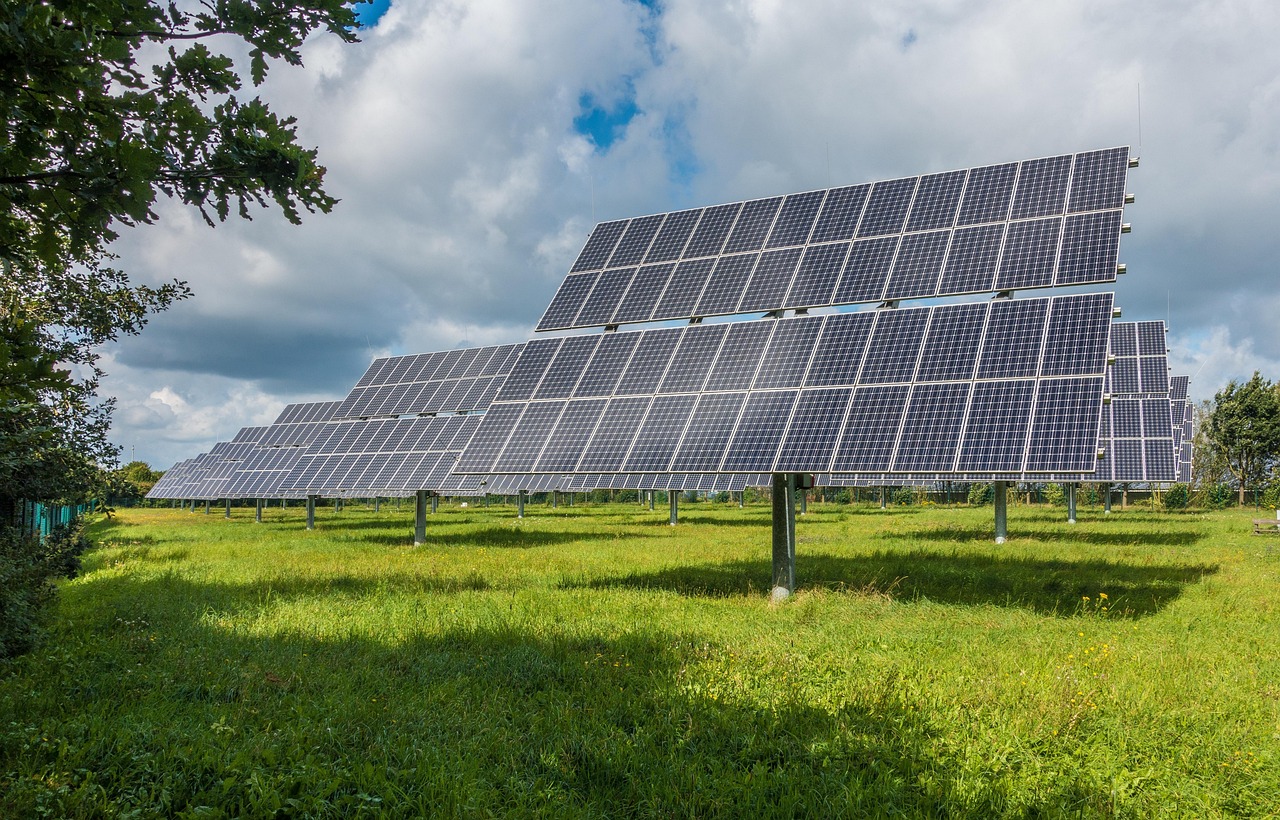
A solar powered operator is not one gadget. It is a small power plant made of a panel, a charge controller, one or more sealed batteries and the operator itself. The panel trickles energy into the batteries through the controller during daylight, and the batteries supply the motor and the control board whenever the gate moves. The batteries, not the panel, do the heavy lifting, since a motor draws far more current for a few seconds than a small panel can deliver at any moment.
That is why sizing starts with the batteries. They must carry the gate through a run of cloudy days and still have enough charge left to open it. Panels then need to be large enough to refill what the gate uses in a typical week, with some margin for dust and shade.
Reading the sun in Central Texas
Central Texas gets plenty of strong sun, which favors solar. The real trouble is not the sky but the site. A panel tucked under a live oak, behind a stone pier or on the north side of a wall produces a fraction of its rating. The best spot is usually on a pole or on the top of a post, tilted to face south, high enough to clear shrubs and the shadow of the gate itself.
Dust and pollen from spring cedar and oak season coat panels quickly, and a thin film lowers output noticeably. A seasonal wipe with a soft cloth and plain water is part of ownership. Hail is another local reality, so a panel with tempered glass and a sturdy frame is worth choosing over a cheap thin one.
Counting how much energy the gate uses
Energy use depends on how often the gate cycles, how heavy it is and how long the motor runs each trip. A light swing gate that opens ten times a day uses little. A heavy slide gate on a busy shared entry uses a great deal more. Accessories add up too: a keypad with a light, a loop detector, a camera or an intercom each draw a small current around the clock, and those standby loads can exceed the motor's use on a quiet driveway.
A sensible planning habit is to list every device on the gate, note its standby draw and its running draw, then estimate daily use from real habits. Owners who skip this step often discover in January that the batteries run flat after a week of low sun.
Motor cycles per day, and how long each one takes.
Standby draw from the control board, receivers and sensors.
Lights, cameras, keypads or intercoms mounted at the gate.
Number of dark or cloudy days the system must ride through.
Battery backup on a grid powered gate
A gate wired to the house does not need a panel to benefit from batteries. A grid powered operator with a battery pack switches over automatically when power drops. The batteries stay topped up from the transformer in normal times and serve as a bridge during an outage. Depending on size, a pack can carry a gate for dozens or even hundreds of cycles.
Without a backup, an outage leaves the gate in whatever position it was in. If it is closed, the household is locked in. If it is open, the property is unsecured. A manual release is the minimum, but batteries keep daily life normal and avoid wrestling a heavy gate by hand in a thunderstorm.
Battery care and lifespan
Sealed lead acid batteries are common and affordable, and they last roughly three to five years in ordinary conditions. Heat shortens that. Georgetown summers can push an enclosure well past the temperatures batteries like, so a shaded, ventilated box helps. Cold matters less here than heat, though a hard freeze lowers available capacity for a night or two.
Lithium packs tolerate more cycles and weigh less, but they need a charger that suits them and a controller with proper protections. Mixing battery types or replacing only one battery in a pair is a common mistake that shortens life for both.
Wiring, mounting and weather
Solar does not remove the need for good installation. Connections should be sealed against moisture, cable should be sized for the run, and fuses should sit close to the battery. Enclosures need drainage and screens against insects, since fire ants and wasps like warm electronics boxes. Grounding and surge protection matter on open ground where lightning is a real risk.
The panel mount should be rigid and tilted so rain rinses it. A loose mount that swings in a north wind will eventually crack a cable or a frame.
Choosing between solar, grid and a hybrid
Solar makes the most sense when the gate is far from power, when trenching would meet limestone or tree roots, or when the owner wants an entry that works regardless of the grid. Grid power with battery backup suits gates near a house with dependable service. A hybrid, with a small panel feeding a battery pack that also has a transformer, gives resilience from two directions and stays popular on larger properties around the county.
Whichever route is picked, the operator should be rated for low voltage use, should have an efficient standby mode and should offer an indicator of battery state so the owner can see trouble coming.
Common problems and how to spot them
A gate that opens slowly in the morning and normally later in the day usually has weak batteries or a shaded panel.
A gate that works for a few cycles then stops probably has a battery near the end of its life.
Repeated resets of the control board can point to low voltage under load.
Corrosion at battery terminals shows up as white or green crust and causes erratic behavior.
Maintenance that pays off
A quick check each season keeps the system honest. Wipe the panel, inspect the enclosure for insects and water, look at terminals for corrosion and watch how the gate behaves on a cloudy morning. Keep a note of when the batteries were installed, since replacing them on a schedule is cheaper than a failure during a storm. A system looked after this way will serve a Georgetown property reliably for many years.
Safety sensors on an automatic gate exist to stop the gate before it injures a person, a pet or a vehicle, and a gate without working sensors should not be in daily use. In Georgetown, where driveways serve families, delivery drivers, mail carriers and neighbors on foot, a gate that closes without detecting what is in its path is a liability as much as a convenience.
Why entrapment protection matters
A moving gate carries real force. A heavy steel swing leaf can pin someone against a post, and a slide gate can trap a limb between the leading edge and a fence or wall. Industry safety standards for powered gates call for layered protection, meaning more than one device watching the same hazard, because any single sensor can fail or be knocked out of alignment.
The standard approach divides protection into two groups. Inherent protection is built into the operator and limits the force it can apply. External protection uses separate devices such as photo eyes and contact edges that tell the operator an obstruction is present.
Photo eyes
A photo eye is a pair of small units, one sending an invisible beam and one receiving it. When something breaks the beam, the operator stops and reverses or holds open, depending on the setting. Photo eyes are placed across the opening at a low height so they catch small children and pets as well as cars.
Alignment is the most common problem. A bumped post, a loose bracket or a spider web across the lens can cause false stops, while heavy sunlight shining straight into a receiver can blind it for a short time. Around Georgetown the low afternoon sun in winter has a way of causing odd behavior for gates that face west. Hoods or a reposition of the receiver usually solve it.
Mount at a height that catches small animals, not only vehicles.
Protect lenses from direct sun and from irrigation spray.
Test with a solid object after any adjustment to a post or hinge.
Contact edges and pinch points
A contact edge is a flexible strip fitted to the leading edge of a gate. When the strip touches an object, it sends a signal to stop the motor. Edges can be pneumatic, optical or resistive, and each type suits different gate shapes. On a slide gate, an edge on the leading end and another at the gap where the gate passes the post covers the main crush points.
Edges wear out. Sun, heat and repeated contact cause rubber to harden and crack, and a damaged edge may still look sound while failing to send a signal. Regular testing is the only reliable check.
Force and travel settings
Most operators let an installer set the amount of force the motor applies and the points where the gate begins to slow and stop. Setting force too high makes the gate dangerous, and setting it too low makes it stall on every gust of wind. The right setting is the lowest force that still moves the gate smoothly through its full travel in typical weather.
After any hinge repair, post movement or change in gate weight, force should be re-checked. A gate that has begun to drag will ask the motor for more effort, and the effort may mask a mechanical problem that deserves repair first.
Reversing on obstruction
When the gate meets resistance, the operator should reverse or stop. Reversing is the more protective choice on a closing cycle because it releases a trapped person at once. Some situations, such as a gate opening against a vehicle, call for a stop rather than a reverse. The control board settings should reflect the way the gate is used, and the installer should explain which one is active.
Reasoning about gate locations
The setting of a gate changes the risk. Gates close to a sidewalk, a school route or a neighborhood walking path see more pedestrians and need stricter protection. Gates at the end of a long private drive see mostly known visitors but still need sensors, because pets and children can wander into the path.
Visibility matters as well. A driver pulling out should be able to see the gate, and a person walking past should be able to see that it is moving. Warning signs and a flashing light during motion help, and a short audible warning before the gate starts to close gives people a chance to step clear.
Testing routine
A monthly test takes five minutes and catches most failures before they matter. Place a solid object such as a cardboard box in the path and cycle the gate. It should stop or reverse on contact without pushing the object far. Interrupt each photo eye beam with a hand held in front of the lens. Press on each contact edge while the gate is moving slowly. Note the results somewhere that others in the household can read.
Box test in the middle of travel, both directions.
Beam test at each photo eye.
Edge test along the whole length.
Manual release check, so everyone knows how to free a trapped gate.
When to call for repair
A gate that stops without reason, reverses randomly, fails the box test or makes grinding sounds needs attention before another cycle. Do not bypass a sensor to stop nuisance trips, since that removes protection the gate is meant to have. A Georgetown fabricator or installer can trace the fault, replace worn parts and bring the system back within safe limits. Treat safety devices as parts that wear and need replacement, just like tires or brakes on a vehicle.
Households, deliveries and shared drives
Safety planning looks different for each kind of driveway. A shared drive serving several homes sees more traffic, more strangers and more children than a single family entry, so it deserves the most careful protection. A property that receives frequent deliveries should consider a longer open hold time and a clearly visible indicator light so drivers know when the gate is about to move. Households with young children or small pets benefit from a lower photo eye position and an auto close delay that is not too short.
Signs, lights and sound
Warning signs on both faces of the gate explain that it moves automatically and may start without notice. A flashing beacon during motion draws attention from drivers and walkers. A brief chirp before closing gives anyone standing in the opening time to step aside. None of these replace working sensors, but they add a human layer to the protection.